

In my childhood home, language was a contact sport. If you asked someone to “tape” a show, you might receive a roll of actual tape, because my family believed in taking words personally. Technology, of course, has been taking words personally for decades. It barges in, changes the default version of a thing, and suddenly the rest of us need extra words just to stay understood.
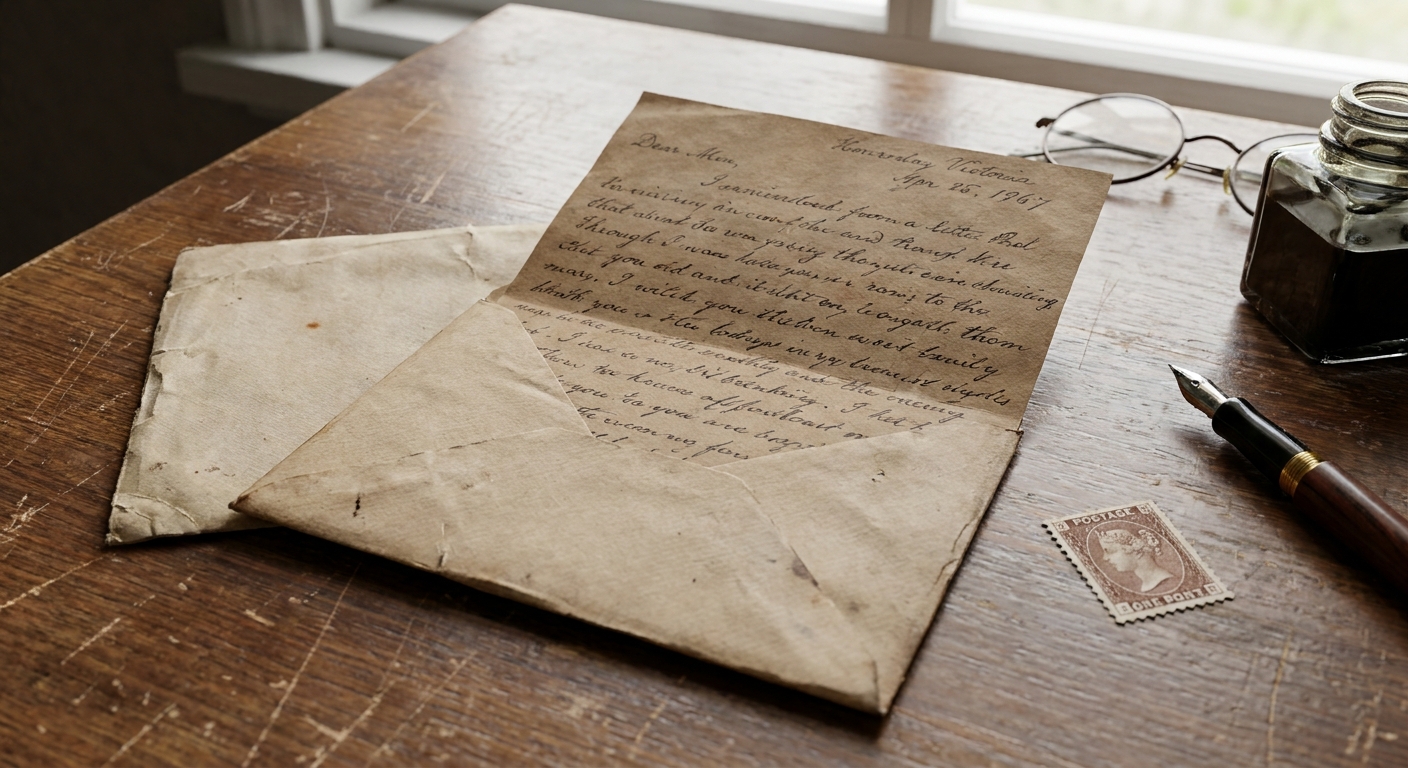
That adjective-and-noun rescue mission is called a retronym. It is a newer phrase created to distinguish an older version of something from a newer version that stole the original name. Nobody used to say “snail mail” because mail was mail. Then email arrived, and suddenly the post office got a nickname that sounds like it needs a tiny terrarium.
What is a retronym?
A retronym is a label that appears after the fact. It is language’s way of saying, “Wait, you meant the original one, right?” The new invention becomes the default, and the old item suddenly needs a qualifier.
A good retronym usually has three traits:
- It is born from contrast: a new thing shows up, and the old thing needs a name upgrade.
- It sounds slightly ridiculous: because we are describing the obvious, retroactively.
- It sticks: because people actually need it in conversation.
If you enjoy language that mutates in public, you will probably also like our look at how fake words become real.
25 funny tech retronyms
Here are 25 retronyms that exist because something newer moved in and started using the old name like it owned the place. A few live on the border between “true retronym” and “practically necessary qualifier,” but they all show the same linguistic instinct: when the default changes, our nouns panic and start asking for backup.
Communication and media
- Snail mail: Postal mail, renamed once email made “mail” ambiguous.
- Landline: A telephone line attached to a building, distinguished from mobile phones.
- Print newspaper: The ink-and-paper version, now separated from digital editions.
- Paper ticket: A physical ticket, now that many tickets live inside your phone like tiny, anxious barcodes.
- Live TV: Real-time television, contrasted with on-demand streaming and recordings. (Not all early TV was live, but the phrase became useful once “watching TV” stopped meaning “right now.”)
- Broadcast TV: Scheduled, channel-based television, as opposed to streaming and internet delivery.
- Physical media: Discs, tapes, and other tangible formats, contrasted with downloads and streaming.
- Hardcover book: The rigid-cover format, often specified now in conversations that also include ebooks and audiobooks. (Hardcover vs paperback is older than digital, but modern formats made the qualifier even more common.)
- Printed boarding pass: The paper version, specified now that many boarding passes are digital.
Music and audio
- Acoustic guitar: A guitar that is not electric. Once electricity joined the band, the old guitar got a new adjective.
- Acoustic piano: The non-digital kind, where sound comes from hammers and strings, not a power button.
- Analog recording: Recording stored as a continuous signal (tape, vinyl), contrasted with digital audio files.
- Wired headphones: Headphones with a cord, specified now that wireless became normal.
- Talk radio: Spoken-word radio, distinguished more sharply once “radio” started sharing space with music streaming and podcasts.
Photography and video
- Film camera: A camera that uses photographic film, distinguished once digital cameras dominated.
- Film photograph: A photo made on film, contrasted with digital images.
- Printed photo: A photo on paper, specified because so many photos now live only on screens.
- Home video: Video releases intended for home viewing (VHS, DVD, Blu-ray), contrasted with theatrical releases and, later, streaming originals.
Computers and everyday office life
- Desktop computer: A stationary computer, differentiated once laptops became common.
- Paper copy: A printed version, contrasted with a digital file.
- Wet signature: An ink-on-paper signature, now distinguished from e-signatures.
- Analog clock: Hands on a face, contrasted with digital clocks.
- Manual typewriter: A typewriter without electric assistance, specified after electric typewriters arrived (and then after computers took over entirely).
- Cash payment: Paying with coins and bills, contrasted with cards, taps, and online payments.
- Corded mouse: A mouse with a cable, specified now that wireless mice are common.
Notice the pattern: once the new option becomes ordinary, the old option becomes “the one with the adjective.” Language is basically a label maker with feelings.
Why retronyms work
Retronyms are funny because they reveal how quickly “normal” changes. They also expose a secret truth: we name things lazily until we cannot. Then we become very specific, very fast.
If you like this kind of linguistic weirdness, you might enjoy our deep dive into funny oxymorons or the chaos of one comma doing way too much work.
How to spot one
- Ask: did we use to say this? If “wireless” suddenly needs to be said, “wired” is not far behind.
- Look for new defaults: streaming, smartphones, cloud storage, electric versions of old tools.
- Listen for gentle frustration: retronyms often appear when someone says, “No, I mean the regular one.”
- Try the “new thing steals the noun” test: if the new thing claims the basic word (mail, phone, camera), the original will need an adjective.
And if you want a family-friendly way to turn this into a game, ask someone at dinner to name an object and then challenge the table to come up with its inevitable future retronym. Bonus points if everyone groans at once. That is how you know you are doing it right.
Quick FAQ
Who coined “retronym”?
The term is widely credited to journalist Frank Mankiewicz in the 1980s, popularized by writer William Safire. If you are curious, Merriam-Webster has a neat overview of the word’s history: https://www.merriam-webster.com/wordplay/retronym.
Are retronyms always about tech?
Not always, but technology is a retronym factory because it creates faster, newer versions that take over the old names.
Is “organic food” a retronym?
It can function like one in casual conversation, but it is not as clean-cut as “acoustic guitar” or “film camera.” Retronyms are clearest when the original object existed first under the simple name, then needed renaming because a newer version adopted that original name.