

I grew up in a house where dinner was served with a side of wordplay, and if you said something like “pass the peas,” someone would immediately reply, “I can’t, they’re too far away.” So it was only a matter of time before I fell in love with pangrams: sentences that squeeze in every letter of the alphabet. They are part puzzle, part poetry, and a party trick you can do with nothing but a keyboard and a stubborn streak.
You probably know the best-known pangram: “The quick brown fox jumps over the lazy dog.” It is a classic for a reason, but it is not the only game in town. Let’s go beyond the brown fox with 30 pangrams you can borrow, study, and shamelessly use to test fonts, practice typing, or impress a teenager who swears nothing impresses them.
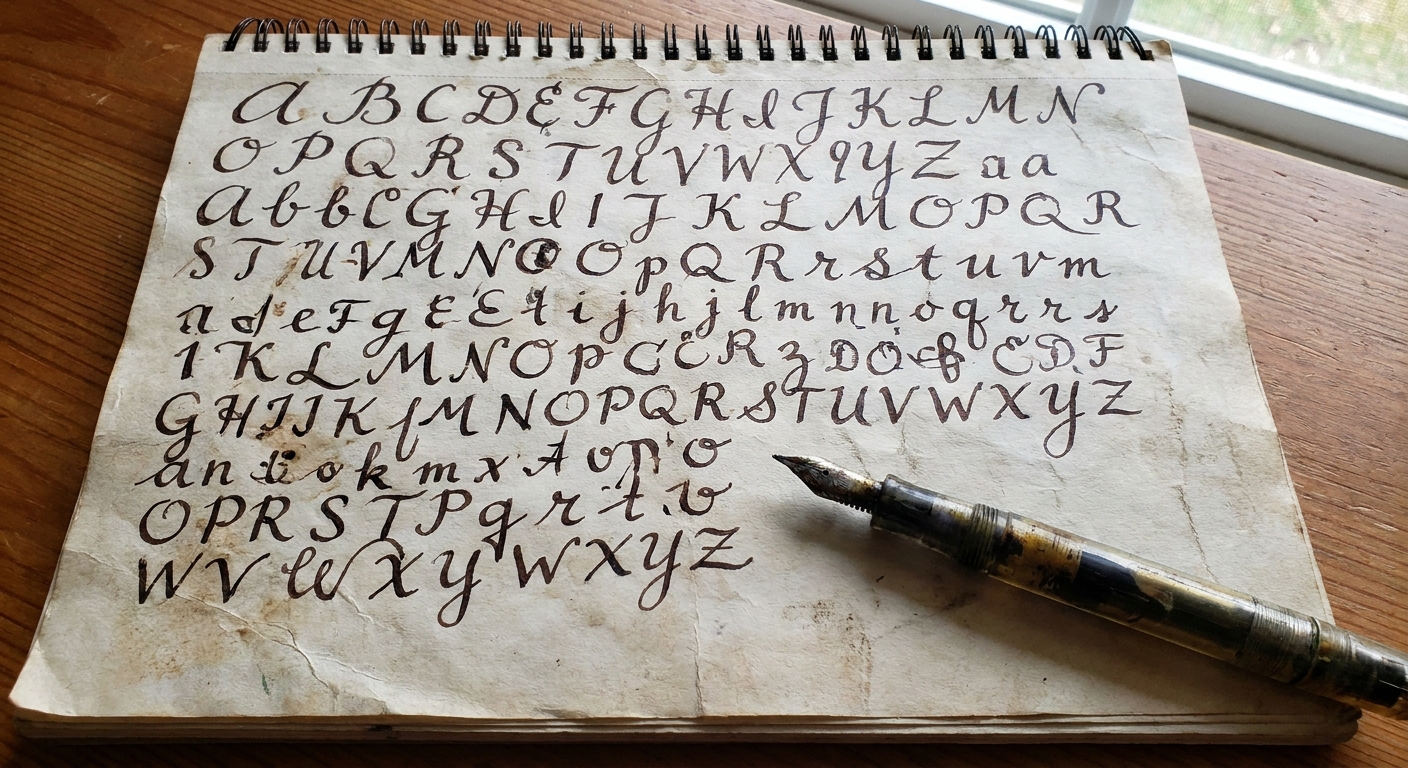
What is a pangram?
A pangram is a sentence (or phrase) that uses every letter A through Z at least once. Pangrams show up in all sorts of places: typography, keyboard testing, calligraphy practice, and classroom activities for people who enjoy language puzzles a bit too much.
In most everyday uses, pangrams are case-insensitive (A and a both count as A), and punctuation does not matter for letter coverage. We’re just hunting letters.
Pangram vs perfect pangram
- Pangram: contains all 26 letters at least once, duplicates allowed.
- Perfect pangram: uses each letter exactly once. These exist, but they tend to get tighter, stranger, and less sentence-like the closer they chase perfection.
In this article, we’re focusing on pangrams that are readable and fun, not just technically correct.
Why pangrams get tricky
Most pangrams wrestle with the same behind-the-scenes problems. If you know what you’re fighting, you can write one that does not read like a robot sneezed into a dictionary.
The rare letter problem
English is stingy with certain letters, especially J, Q, X, Z (and sometimes V and K). Pangram writers usually solve this by leaning on a few common workhorse words. They are not the only options, but they do show up a lot:
- Q: quick, quartz, quirky, quiz, quack
- J: jazz, jinx, jump, jovial, jab
- X: fox, vex, extra, box, xylophone
- Z: zebra, zippy, cozy, buzz, pizza
Shorter is harder
Trying to keep a pangram short is like trying to pack for a trip with one tiny bag. You can do it, but something is going to wrinkle. Longer pangrams have more room to sound natural.
Clarity beats cleverness
A good pangram reads like a real sentence someone might say, even if that someone is a slightly dramatic uncle describing a suspiciously exciting day at the zoo.
30 verified pangrams
Here are 30 pangrams you can use right now. Some are classic workhorses. Some are weirder. I checked each sentence exactly as printed here, letter by letter, and all of them contain every letter of the English alphabet at least once.
For the purposes of this list, we’re only counting the letters A to Z. Capitalization does not matter, punctuation does not matter, and proper nouns are allowed. If you copy a pangram from somewhere else, re-check it, because a tiny spelling tweak can quietly delete a letter.
To set expectations: the groups below are just about vibe and usefulness. “Classics” are famous, “Clean and usable” are tidy for worksheets, “Story-like” read like mini scenes, “For typing practice” have a good rhythm, and “Quirky” are the ones you will remember two days later for no good reason.
One small note before we jump in: a few entries use proper nouns (Jim, Jeff, Japan, Texas). If you need an all-common-noun set for a worksheet, start with the “Classics” and “Clean and usable” groups, and avoid the most name-heavy lines near the end, like #25, #28, and #29.
1) Classics
- 1. The quick brown fox jumps over the lazy dog.
- 2. Pack my box with five dozen liquor jugs.
- 3. Sphinx of black quartz, judge my vow.
- 4. How vexingly quick daft zebras jump!
- 5. The five boxing wizards jump quickly.
- 6. Jackdaws love my big sphinx of quartz.
2) Clean and usable
- 7. Waltz, bad nymph, for quick jigs vex.
- 8. Quick zephyrs blow, vexing daft Jim; kooky gnomes wave.
- 9. Two driven jocks help fax my big quiz.
- 10. Five quacking zephyrs jolt my wax bed.
- 11. Jived fox nymph grabs quick waltz; vex boy, smug, plucky.
- 12. Big fjords vex quick waltz nymph; pack hazy gems.
3) Story-like
- 13. The quick onyx goblin jumps over the lazy dwarf.
- 14. We promptly judged antique ivory buckles for the next prize.
- 15. Crazy Frederick bought many very exquisite opal jewels.
- 16. A quick movement of the enemy will jeopardize six gunboats.
- 17. Grumpy wizards make a toxic brew for the jovial queen and jack.
- 18. Brawny gods just flocked up to quiz and vex him.
4) For typing practice
- 19. Quick wafting zephyrs vex bold Jim; nymphs gaze.
- 20. Woven silk pajamas exchanged for blue quartz; fix my dog.
- 21. The job requires extra pluck and zeal from every young wage earner; quit now, if you must.
- 22. Vexed nymphs go for quick waltz job.
- 23. Amazingly few discotheques provide jukeboxes and new music.
- 24. A wizard quickly jinxed the gnomes before they vaporized; fix bug, stow, hoax.
5) Quirky and memorable
- 25. A quivering Texas zombie fought a public lynx and broke my jeweled guitar in June.
- 26. The jovial prankster waved a mixed bunch of flags, just to vex quirky zebras.
- 27. Public junk dwarves hug my quartz fox, vixen, and zebu.
- 28. Zany Jeff quickly moved the big box of wild, prized quail, vexing strong gnomes.
- 29. Six big devils from Japan quickly forgot how to waltz by dawn.
- 30. The quick brown fox jumps over a lazy dog, vexing Jim.
Note: Pangrams get passed around a lot, and small variations are common. Hyphens and commas will not change your letter count, but spelling changes absolutely can. If you spot a version you love, keep it, but do a quick A to Z check before using it in something important like a classroom handout or a tattoo.
How to write your own
Here’s the approach I use when I want to build a pangram that sounds like a human wrote it and not like a magnet poetry set fell down the stairs.
Step 1: Start with a simple scene
Pick a situation that naturally invites lots of nouns and verbs. These work well:
- A picnic, a zoo visit, a cooking disaster
- A trivia night announcement
- A travel day at an airport
- A fantasy vignette with wizards and odd animals
Step 2: Plant rare letters early
Choose friendly carrier words that cover the tough letters without hijacking the sentence.
- Q: quick, quirky, quartz, quiz
- J: jazz, jolt, jump, jinx
- X: vex, fox, box, extra
- Z: zebra, zesty, cozy, frenzy
Step 3: Draft a clunky first version
Give yourself permission to write something clunky. The first draft is just a container for letters. Example draft:
Quirky jazz foxes vex my big waltz crowd.
Step 4: Do an alphabet audit
Make a checklist of missing letters. I literally write:
abcdefghijklmnopqrstuvwxyz
Then I cross off letters as they appear. This is where my crossword-in-pen stubbornness really shines.
Step 5: Patch missing letters naturally
Add a few words that feel plausible in your scene. Need a K? Try kiosk, key, back. Need a V? Try very, voice, brave.
Step 6: Revise for readability
Now make it sound like a sentence someone would actually say:
- Swap awkward words for smoother ones
- Break up heavy clusters of rare letters
- Use punctuation for rhythm (commas are your friends)
- Read it out loud and listen for tongue-twisting
Step 7: Trim without breaking it
Once it works, you can tighten it. Remove filler words one at a time, checking that you did not accidentally delete your only Y or X.

Quick tips
Remember the troublemakers
If you keep forgetting which letters you are missing, try grouping the rare ones in your mind as a little team: JQXZ. I call them the alphabet troublemakers, said with affection and mild suspicion.
Borrow structures that work
Many pangrams succeed because they follow a familiar pattern:
- Imperative: “Pack my box...”
- Description: “How vexingly quick...”
- Mini story: “We promptly judged...”
Keep it clean and shareable
At Innocent English, I aim for jokes and word puzzles you can use anywhere, including a classroom or a family group chat. Pangrams are perfect for that because they are clever by structure, not by shock value.
If you like this kind of language tinkering, you’ll probably enjoy our guide to Trivia, plus a few neighboring wordplay rabbit holes like rebus puzzles and palindromes.
Pangram FAQ
What is the shortest possible pangram?
There is no single official shortest pangram because it depends on what you allow (proper nouns, abbreviations, punctuation choices, and so on). In practice, shorter pangrams often get less readable. If your goal is humans, not machines, do not obsess over shaving off every last character.
Are perfect pangrams worth trying?
They are fun if you enjoy constraints, but they can be brutally unnatural. Think of them like those tiny travel toothpaste tubes: impressive, but not how you want to live full-time.
Do pangrams have to be grammatical?
No, but grammatical pangrams are more satisfying. A pangram that reads well is the one people remember and repeat.
Can I use numbers or symbols?
You can, but they do not help you cover letters. If your purpose is font testing, numbers can be useful, but for pangram purity, focus on letters first.
A final challenge
Try writing a pangram about something you did today, even if the most exciting part was “I found a decent parking spot.” Start with one sentence, then invite JQXZ to the party without making it weird.
And if you come up with a pangram you are proud of, keep it in your notes. A personal pangram is like a personal dad joke. It may not change the world, but it will absolutely improve it by at least one groan.
For more gentle language mischief, wander over to my author page or explore our Puns and Jokes section when you need something silly but safe.