

I grew up in the sort of household where a long word at the dinner table was treated like a dare. Someone would read a ridiculous entry from a dusty old dictionary, someone else would attempt the pronunciation with full confidence, and the rest of us would reward the effort with the highest honor a family can bestow: a synchronized groan.
This list is for that exact vibe. Here are 15 famously long (and surprisingly usable) English words, with friendly pronunciation guides and a few tips for deploying them in word games without spraining anything important.
First, a quick note on “longest word”
If you ask five dictionaries for the single longest word, you can start a polite argument that lasts until dessert. Some ultra-long chemical names exist, and there is also a famous tongue-twister “word” for a lung disease that shows up in some dictionaries and not others.
So I picked words that are dictionary-famous, delightfully overgrown, and fun to say. A few are technical, but all of them are the kind of thing you can bring to trivia night like a party trick in your pocket.
15 long words with pronunciations
Pronunciation key: I’m using a simple, say-it-out-loud guide with capitals for the stressed syllable. Pronunciations are approximate and can vary by region, so if your syllables land a little differently, congratulations: you speak a dialect.
1) Pneumonoultramicroscopicsilicovolcanoconiosis
- What it means: A largely contrived, dictionary-famous term for a type of pneumoconiosis caused by inhaling very fine silica dust. The “volcano” bit is baked into the word’s construction, not a promise you caught it from standing too close to lava.
- How to say it: new-MOH-noh-UL-truh-MY-kroh-SKOP-ik SIL-ih-koh-vol-KAY-noh-koh-nee-OH-sis
- Use it to win: A crowd-pleaser in spelling games and a confidence test in charades. If you can say it once, everyone assumes you can do taxes.
2) Antidisestablishmentarianism
- What it means: Opposition to disestablishing a state church. It is history, politics, and a mouthful all in one.
- How to say it: AN-tee-dis-uh-STAB-lish-men-TAIR-ee-uh-niz-um
- Use it to win: Great for “longest word you can spell from memory” contests, because a lot of it is built from recognizable chunks.
3) Floccinaucinihilipilification
- What it means: The act of estimating something as worthless.
- How to say it: FLOCK-sih-now-sih-NY-hil-ih-pil-ih-fi-KAY-shun
- Use it to win: If someone says your favorite pun is “dumb,” announce you reject their floccinaucinihilipilification. Then bow.
4) Hippopotomonstrosesquipedaliophobia
- What it means: (Humorously) fear of long words. Yes, the irony is the point.
- How to say it: hip-oh-POT-oh-MON-stroh-SES-kwi-PED-uh-lee-oh-FOH-bee-uh
- Use it to win: The rare word that lets you deliver a joke just by existing.
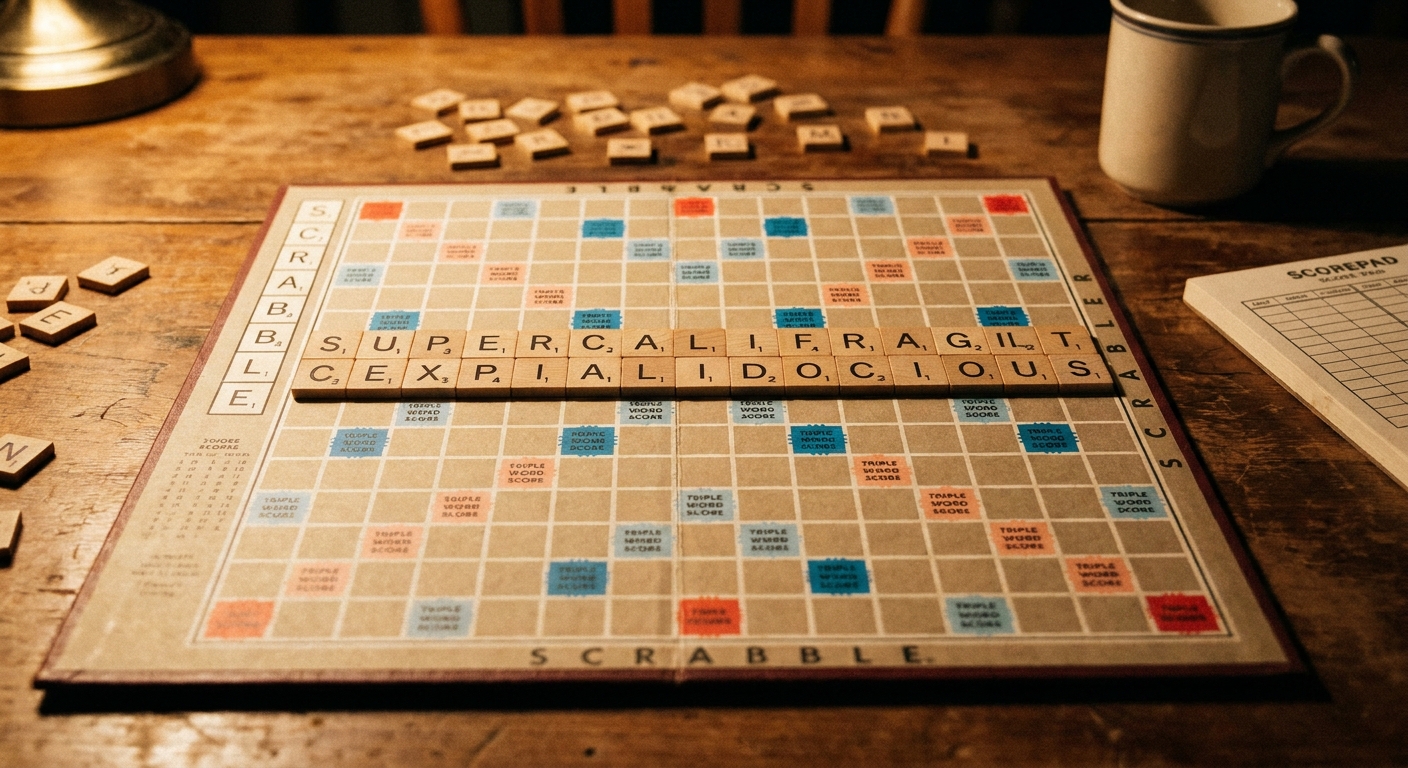
5) Supercalifragilisticexpialidocious
- What it means: A made-up word from Mary Poppins meaning something like “wonderful,” often used as playful nonsense.
- How to say it: SOO-per-KAL-ih-FRAJ-uh-LIS-tik-EK-spee-AL-ih-DOH-shus
- Use it to win: Perfect for family game nights, because half the room will sing it and the other half will pretend they were “just clearing their throat.”
6) Honorificabilitudinitatibus
- What it means: “The state of being able to achieve honors,” or (more loosely) honorableness. It is a famous Latin-derived long word that turns up in Shakespeare.
- How to say it: on-uh-RIF-ih-kah-bil-ih-TOO-dih-nih-TAY-tih-bus
- Use it to win: A terrific “spot the Shakespeare word” flex. If you enjoy literary trivia, this one is dessert.
7) Incomprehensibilities
- What it means: Things that are hard to understand.
- How to say it: in-kom-prih-hen-sih-BIL-ih-teez
- Use it to win: Surprisingly usable in normal conversation, especially when describing instruction manuals.
8) Uncharacteristically
- What it means: In a way that is not typical.
- How to say it: un-kar-ik-tuh-RIS-tik-lee
- Use it to win: An everyday long word that can actually score well in word games because it uses common letters efficiently.
9) Intercontinental
- What it means: Between continents.
- How to say it: in-ter-kon-tih-NEN-tuhl
- Use it to win: Solid for crossword fans. Also sounds fancier than it has any right to.
10) Indistinguishability
- What it means: The quality of being impossible to tell apart.
- How to say it: in-dis-TING-gwish-uh-BIL-ih-tee
- Use it to win: Handy when two things are “basically the same,” but you want to sound like you brought a lab coat.
11) Spectrophotometrically
- What it means: In a way relating to measuring light intensity by wavelength (spectrophotometry).
- How to say it: SPEK-troh-foh-toh-MET-ri-klee
- Use it to win: Great for science trivia nights. Also great for making your tea brewing method sound extremely serious.
12) Dichlorodifluoromethane
- What it means: A chlorofluorocarbon compound formerly used as a refrigerant and aerosol propellant. “Freon” is a trademark that has been used for multiple refrigerants, but this one is often what people have in mind in older contexts.
- How to say it: dye-KLOR-oh-dye-FLOOR-oh-METH-ayn
- Use it to win: A chemical name that is long, but pronounceable if you march through it like stepping stones.
13) Electroencephalographically
- What it means: In a way relating to EEG recording of brain activity.
- How to say it: ih-LEK-troh-en-SEF-uh-loh-GRAF-ik-lee
- Use it to win: Excellent for medical drama fans and anyone who enjoys words that look like they should come with a user manual.
14) Psychoneuroendocrinological
- What it means: Relating to the interaction between mind, nervous system, hormones, and glands.
- How to say it: SY-koh-NYUR-oh-en-doh-krin-uh-LOJ-ih-kul
- Use it to win: Drop it when you want to describe stress affecting the body and you want everyone to nod thoughtfully.
15) Antitransubstantiationist
- What it means: Someone opposed to the doctrine of transubstantiation.
- How to say it: AN-tee-tran-sub-stan-shee-AY-shun-ist
- Use it to win: A niche theological term, but it is a classic “long word that is still a real word.” Perfect for trivia.
Say long words calmly
My personal method is what I call “crossword confidence”. You write in pen and then you commit to the bit.
- Find the anchor syllables. Look for familiar pieces: anti-, micro-, -phobia, -logy, -metric. Most long words are just Lego towers.
- Clap it out in chunks. Not each letter, each chunk. Your mouth likes bite-sized tasks.
- Stress one syllable strongly. Even if you are not perfect, strong stress makes you sound intentional, which is 60 percent of pronunciation.
- Say it once slowly, then once normally. The second pass is where the magic happens.
If you enjoy this kind of word-nerdery, our Trivia guide is basically my natural habitat.
Using long words in games
- In Scrabble-style games: long words are fun, but board position wins. Also, many monster words will not be valid in your game’s official word list, so treat them as party tricks unless you know your dictionary is feeling generous.
- In Boggle-style games: speed matters. Practice one or two “signature” long words you can spot quickly, like intercontinental or uncharacteristically.
- In trivia nights: keep one “comedy long word” ready (hello, hippopotomonstrosesquipedaliophobia) and one “serious long word” ready (something sciencey like electroencephalographically). Variety is half the show.
- In spelling contests with friends: announce your word before spelling it. It gives your audience a beat to appreciate how doomed they are.
For more clean wordplay ammunition, you can wander through Funny English or, if you prefer your jokes with extra groan, The anatomy of a dad joke.
FAQ
What is the longest word in English?
It depends on what you count as an “English word.” Extremely long chemical names can be generated systematically and can be far longer than anything on this list. Among famous dictionary-style long words people recognize, pneumonoultramicroscopicsilicovolcanoconiosis is the usual headliner.
Are all of these in every dictionary?
Not always. Big general dictionaries and specialized dictionaries make different choices. The more technical the term, the more likely it appears in scientific references rather than pocket dictionaries.
How can I make long words easier to say?
Break them into prefixes, roots, and suffixes, then say each chunk clearly. If you can confidently land the ending (like -phobia or -logically), listeners will generously assume you nailed the middle too.