

I grew up in a house where dinner was served with a side of wordplay. Someone would pass the peas, someone else would say “peas be seated,” and the rest of us would groan like it was a family tradition. So when I hear a great advertising slogan, I do not just think “good marketing.” I think “ah yes, a professional punster got paid for that.”
Commercial puns are a special kind of magic trick. They have to be quick, clean, and memorable. They also have to sell something without sounding like they are selling something. When they work, you repeat them for years, sometimes decades, without even noticing you are doing free brand recall in the cereal aisle.
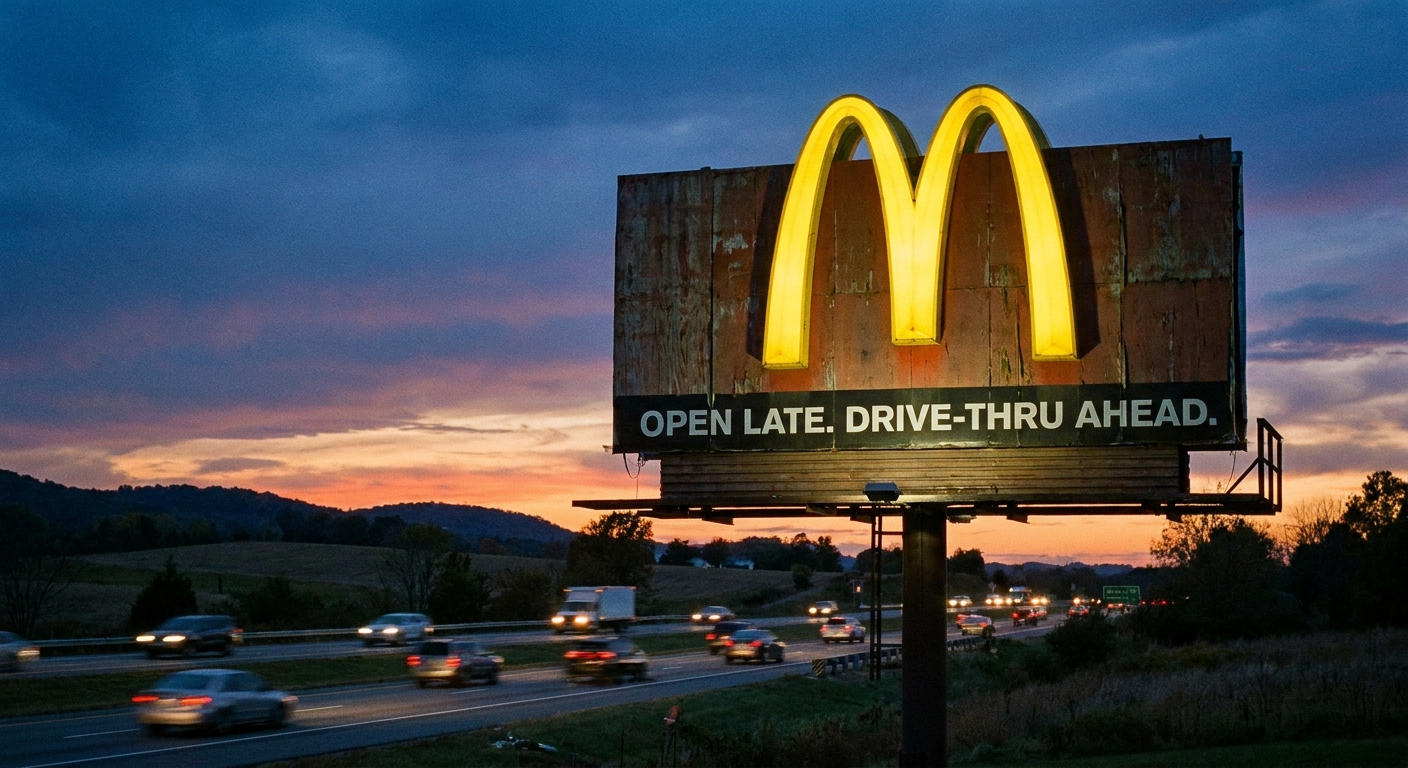
Below are 25 pop-culture staples that show how copywriters use innocent puns, double meanings, and sly word choices to make a brand feel like an old friend who always has a decent line ready. Fair warning: slogans can have official variants across decades and markets, so if you remember a slightly different punctuation mark, you are probably not hallucinating.
What makes a slogan a commercial pun?
Not every catchy line is a pun. A commercial pun usually does at least one of these:
- Plays with a double meaning (literal vs. figurative).
- Twists a common phrase so it suddenly belongs to the product.
- Uses sound-alikes, rhyme, or near-rhyme to make language feel inevitable.
- Turns the product into a verb, a vibe, or a little identity badge.
And yes, this list includes full-on puns, near-puns, and double-meaning classics. Advertising is a broad church, and all the hymns are catchy.
If you enjoy the clean, good-natured side of double meanings, you will also like our piece on clean double entendres. Same grin, fewer marketing budgets.
25 punny brand slogans
For each, I am highlighting the little wordplay engine under the hood. Some are classic puns, some are sly double meanings, and a few are more linguistic judo than joke-book pun. Either way, they stick.
1) M&M’s: “Melts in your mouth, not in your hand”
This is a neat little contrast slogan with a touch of misdirection. “Melts in your mouth” sounds romantic and indulgent. “Not in your hand” snaps you back to practicality. Dessert, with a built-in handshake agreement.
2) De Beers: “A Diamond Is Forever”
Famously, “forever” is doing double duty: durability (diamonds last) and commitment (love lasts). It is not a pun in the joke-book sense, but it is a textbook advertising double meaning with massive cultural aftershocks.
3) KFC: “Finger Lickin’ Good”
It turns a slightly guilty behavior into a compliment. The punchline is permission: you are not messy, you are appreciative.
4) BMW: “The Ultimate Driving Machine”
“Machine” flatters the engineering and the driver. You are not just commuting, you are operating something elite. It is an identity slogan disguised as a product description.
5) Nike: “Just Do It”
Simple imperative, infinitely flexible. “It” can be the workout, the race, the scary first step, or simply getting off the couch. The wordplay is in the empty space it leaves you to fill.
6) Mastercard: “There are some things money can’t buy. For everything else, there’s Mastercard.”
A classic setup with a clean twist. It leans on the oldest contrast in the book (meaning vs. money), then lands the punchline right on the brand name.
7) L’Oréal: “Because you’re worth it”
“Worth” is the hinge word. It means value, self-esteem, and price justification all at once. A tiny, flattering equation.
8) Maybelline: “Maybe she’s born with it. Maybe it’s Maybelline.”
A playful false dilemma. It sets up a compliment, then slides in the product as the second possibility. The pun is in “maybe,” which becomes a rhythm you can say without thinking.
9) California Milk Processor Board: “Got Milk?”
Technically, this is a campaign line more than a standing brand slogan, but it lives in the culture like one. Two words, one missing verb. That little grammatical gap makes it sticky and endlessly parody-proof.
10) Pepsi: “The Choice of a New Generation”
“Choice” implies independence and taste, “new generation” implies momentum. It sells an identity more than a flavor, which is why it lodges in your head like a pop song chorus.
11) Apple: “Think Different”
It is grammatically unusual on purpose. That slight wrongness makes it memorable, and it also quietly signals rule-breaking. A slogan that behaves like the brand wants you to feel.
12) Dollar Shave Club: “Shave Time. Shave Money.”
A true pun, and a tidy one. “Shave” becomes a verb for time and money, not just hair. It makes you smile and understand the pitch instantly.
13) Lay’s: “Betcha can’t eat just one”
It is a dare disguised as a warning. “Betcha” makes it conversational, like the chips are your buddy nudging you into bad decisions at a picnic.
14) Pringles: “Once you pop, you can’t stop”
“Pop” is physical (opening the can) and rhythmic (a punchy sound). The rhyme turns it into a chant. Very playground, very memorable.
15) Red Bull: “Red Bull gives you wings”
Metaphor so vivid it becomes visual in your head. “Wings” is energy, confidence, a boost. It is fantasy phrasing applied to an everyday can.
16) KitKat: “Have a break, have a KitKat”
It hijacks the word “break” twice. First, a life break. Second, the snap of the chocolate wafer. That is product-specific wordplay at its finest.
17) Bounty: “The quicker picker-upper”
Not a pun so much as a sing-song tongue twister, and that is the point. It sticks like a jingle without needing music.
18) Skittles: “Taste the Rainbow”
It turns a visual into a flavor experience. Slightly impossible, therefore memorable. Also, it is delightfully childish in the best way.
19) Subway: “Eat Fresh”
“Fresh” is both literal (ingredients) and moral (a better choice). Two meanings, one word, no lecture.
20) Wheaties: “The Breakfast of Champions”
It borrows prestige from sports culture. You are not just eating cereal, you are joining the champion club. Marketing as an honorary title.
21) Dunkin’: “America Runs on Dunkin’”
“Runs on” is the hinge. People run on coffee, machines run on fuel. It frames caffeine as infrastructure, which is honestly how many of us behave before 9 a.m.
22) The New York Times: “All the News That’s Fit to Print”
“Fit” carries meaning: appropriate, suitable, and also physically able to be printed. A classic newspaper-era pun that still feels crisp.
23) Secret: “Strong enough for a man, made for a woman”
This one is famous because it uses contrast and expectation flipping. It is not my favorite culturally, but from a pure copywriting standpoint it shows how language tension becomes glue.
24) State Farm: “Like a good neighbor, State Farm is there”
“Neighbor” is doing the heavy lifting. It turns insurance, which is basically paperwork with anxiety sprinkles, into a friendly human relationship. And “is there” is the promise every brand wishes it could make and actually keep.
25) McDonald’s: “I’m lovin’ it”
That casual grammar again. “Lovin’” is warm, immediate, and conversational. It sounds like a friend reporting back from the drive-thru, not a corporation addressing you from a tower of fries.
If you want more pop culture language that sneaks into daily conversation, our roundup of TV catchphrases we all speak now scratches the same itch.
Why puns sell
Copywriters do not use puns just because they are fun. They use them because they work on human brains that are busy, distracted, and easily delighted.
- They create a tiny aha moment. Your brain likes resolving a small puzzle, even a silly one.
- They invite repetition. Anything with rhythm, symmetry, or a twist becomes quotable.
- They feel friendly. A pun says, “We are not taking ourselves too seriously,” which lowers your guard.
- They build identity. The best slogans let you borrow a vibe: fresh, bold, champion, different.
This overlaps a lot with what makes jokes effective. If you are curious about the mechanics, take a peek at the anatomy of a dad joke. Advertising is basically dad joking in a suit.
How to spot a great slogan
Next time you see a slogan and feel your brain quietly click, try this little checklist:
- Is there a hinge word that can be read two ways? (Worth, break, runs on.)
- Does it borrow a familiar phrase and give it a new job?
- Can you say it out loud easily without tripping? If it is fun to say, it will travel.
- Does it still make sense without the logo? Great slogans can stand alone like mini one-liners.
Clean double meanings
A lot of brands flirt with cheekiness, but the best mainstream slogans keep it shareable. Clean wordplay has a wider runway. You can repeat it at work, at a family barbecue, or in front of the sort of grandparent who thinks “hek” is a little spicy.
If that is your style of humor, you are in good company here. We keep the jokes fit for print, so to speak.
Commercial pun FAQ
Are these all technically puns?
No, and that is part of the fun. Advertising wordplay includes puns, double meanings, rhythm tricks, and deliberate grammatical quirks. They all live in the same neighborhood, and they all pay rent in memorability.
What is the difference between a pun and a double entendre?
A pun usually plays on similar sounds or multiple meanings in a more obvious way. A double entendre leans on a phrase that can be read two ways. If you want the clean version of that concept, see our guide to smart, wink-free double entendres.
Why do people remember slogans for decades?
Because the best ones are designed like little verbal earworms: short, rhythmic, and easy to repeat. If you have ever found yourself saying a line and only later realizing it came from an ad, congratulations. You got marketed.