

I grew up in a house where the dinner table had two settings: plates and punchlines. If you paused too long over the peas, someone would slide in a pun like it was a perfectly normal condiment. Years later, after hosting trivia nights and committing to crosswords in pen (a lifestyle choice, not a cry for help), I started noticing a funny transatlantic pattern.
In broad strokes, British comedy tends to treat wordplay like a raised eyebrow: it is there, it is sharp, and it may pretend it is not trying. American comedy, meanwhile, is more likely to bring wordplay to the front of the stage, tap the microphone, and say, “Folks, you are going to want to listen to this next bit.” Neither approach is better. They are just different flavors of the same delightful disease: the inability to leave a perfectly twistable word alone.
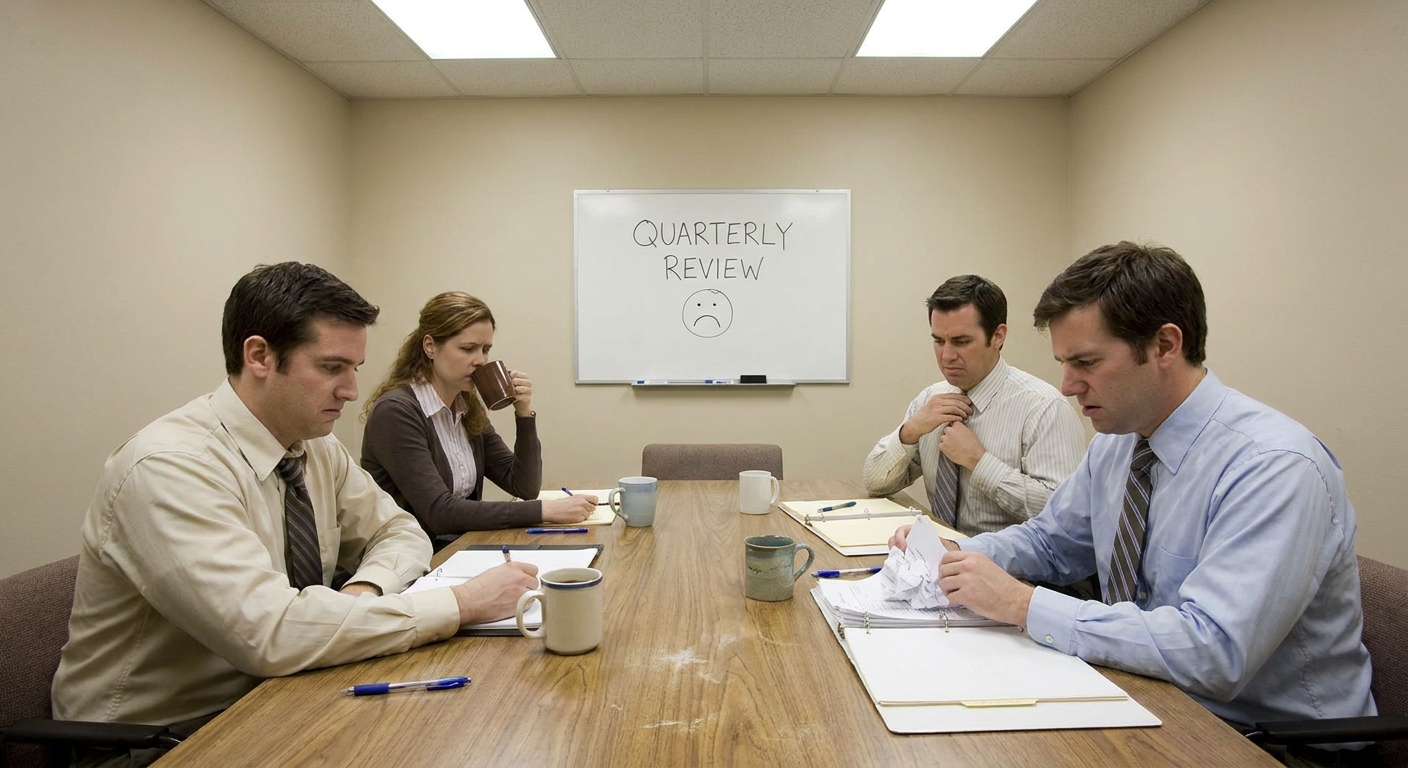
Two styles, one obsession
Let’s get our terms straight, because comedy loves nothing more than giving a familiar word a suspicious new job title.
What we mean by British irony
In the UK tradition, irony often shows up as understatement, deadpan delivery, and a fondness for saying the opposite of what you mean without changing your facial expression. It is not quite the same thing as sarcasm, which tends to be sharper and more openly barbed. Here, the joke is frequently in the gap between the polite words and the uncomfortable truth beneath them.
- Understatement: describing a disaster as “a bit of a bother.”
- Dryness: punchlines delivered like they are accounting updates.
- Social friction: humor mined from status, embarrassment, and unspoken rules.
- Wordplay as seasoning: present, clever, and often slipped in sideways.
If you want a concrete sitcom-ish example of that “say less, mean more” instinct, think of a character insisting “no, no, it’s fine” while everything very clearly is not fine. The laugh is in the denial, plus the silence that follows.
What we mean by American puns
American pop culture is hardly pun-only, but it has a long, proud tradition of giving puns a starring role. The pun is allowed to be the moment. Sometimes characters even react to it, which is basically applause in pun-language.
- Front-facing wordplay: the joke is “look what I did with the words.”
- Rhythm and repetition: catchphrases and running gags are common.
- Big swing, quick hit: punchlines land clearly, often faster.
- Groan tolerance: higher than you might expect, especially in sitcom families.
A concrete example of the “pun gets its own spotlight” habit is the classic sitcom move where a character delivers a corny line and someone else immediately groans, repeats it, or calls it out. The pun is not hiding. It is wearing a name badge.
The sitcom test
If you want to see the contrast in one quick experiment, look at how both cultures handle the classic sitcom engine: ordinary people trapped in ordinary rooms with extraordinary social pressure.
The Office, two dialects
The Office is a handy case because the UK version (Ricky Gervais and Stephen Merchant’s original) and the US adaptation share a basic premise but tune the comedy differently.
- UK: the humor leans on painfully sincere statements that become ironic simply by existing in public. David Brent’s motivational language is funny because it is simultaneously confident and hollow, and the show lets the silence do a lot of work.
- US: Michael Scott also mangles language, but the series more often turns that mangling into explicit punchlines, malapropisms, and quotable bits. A line can land, then get a reaction, then get a little tag on the way out of the scene.
If you enjoy language mistakes as comedy, you will feel right at home with our collection of funny malapropisms, which are basically puns that fell down the stairs and stood up insisting they meant to do that.
Friends and flatshares
Friends (US) is not “a pun show,” but it is a show that loves a crisp verbal button at the end of a scene. The jokes tend to be clearly framed and tagged. In UK flatshare comedies like Spaced or Peep Show, the laugh is more likely to bloom out of discomfort, implication, or someone doubling down on a terrible social decision because backing out would be worse.
That difference is not about intelligence. It is about what each tradition often treats as the core pleasure: the clean punchline versus the deliciously awkward subtext.
Sketch shows
Sketch comedy is where wordplay can either be the engine or the upholstery. Both countries excel, but they often build sketches with different instincts.
Monty Python
Monty Python loved language as a system you could poke with a stick. Think of arguments about what counts as an argument, or official-sounding dialogues that become nonsense while remaining grammatically polite. The wordplay is often conceptual, a kind of linguistic trapdoor.
Saturday Night Live
Saturday Night Live has plenty of surreal material too, and not every classic sketch is a catchphrase machine. Still, many of the most repeatable favorites do hinge on a verbal hook people can quote the next morning, whether that is a signature line, a recurring segment structure, or a character who always turns language the same way.
For more on how pop culture catchphrases spread and stick, have a wander through TV catchphrases we all speak now.
Why British irony can feel smarter
This is a sneaky psychological trick. Irony can feel “smarter” because it asks the audience to do a bit of decoding. You are not just receiving the joke, you are collaborating with it.
- Hidden meaning: you have to notice what is being implied, not said.
- Social knowledge: class, manners, and etiquette can become part of the punchline.
- Restraint: the show trusts you to laugh without being told where to laugh.
That said, the UK absolutely does overt wordplay too. Panel shows, tabloid headlines, and full-bodied dad-joke culture all prove Britain will happily drive a pun right through the front window, then apologize politely while doing it.
Why American puns can feel friendlier
Puns are inherently social. They announce themselves as play. Even when the joke is sharp, the form is inviting because it is a puzzle you can solve in real time.
- Instant participation: the audience gets a mini “aha” moment.
- Quotability: puns travel well, especially in family and workplace settings.
- Rhythm: pun structures fit neatly into sitcom pacing and banter.
And, to be fair to the US, American comedy is not all mugging and microphones. A lot of modern American shows lean hard into deadpan and discomfort too. The difference is more about what mainstream traditions tend to spotlight, not what either country is capable of.
That is why puns thrive in everything from superhero dialogue to board game nights. If you want a broader map of wordplay types that pop up in jokes, we have one in Puns and Jokes.
When styles mix
The fun part is watching the traditions borrow from each other. When everyone watches everything, writers and audiences get bilingual about laughs.
Adaptations and imports
- UK to US: when a UK premise is adapted for the US, irony often gets warmed up with more explicit joke markers and more affectionate character framing.
- US to UK audiences: American pun density can read as exuberant, or as “trying too hard,” depending on the viewer’s comic palate.
The streaming effect
I would not call this a scientific trend so much as an over-observed viewer’s hunch, but streaming has made cross-pollination hard to avoid. UK shows can feel a touch more willing to do rapid-fire riffing when the moment suits, and US shows have become more comfortable letting a joke hang in the air. When a silence lands, it lands everywhere now.
So which is funnier?
This is like asking whether a crossword clue is better when it is elegant or when it makes you groan out loud. The honest answer is: it depends on what you came for.
- If you like reading between the lines, British irony will feel like home.
- If you like language as a toy, American puns will keep you well supplied.
- If you like both, congratulations. You are the kind of person who laughs twice: once at the meaning, and once at the method.
Watch like a wordplay nerd
Next time you watch a sitcom or sketch show, try this little checklist. It makes you sound insufferable at parties, but it is great fun in the privacy of your own living room.
Three questions
- Where is the joke located? In the words themselves, or in the situation around them?
- How much does the show trust you? Does it underline the punchline or let it sit?
- What is the character relationship to wordplay? Are they proud of it, oblivious to it, or using it as a shield?
If this sort of analysis makes you itch to play with words yourself, our Pop Culture hub is full of language quirks that started on screens and ended up in everyday life.
Quick FAQ
Do British people dislike puns?
Not at all. Britain loves puns. It just also loves pretending it does not, which is very on brand.
Is American comedy always punny?
No, but American mainstream sitcom and sketch traditions are more likely to spotlight wordplay, especially in quick banter, catchphrases, and one-liners.
What is the cleanest way to explain the difference?
British comedy often treats wordplay as a wink you might miss. American comedy more often treats it as the wink and the wave.